
New to smart lockers? Start your journey here!
Current retail return rates are the highest they’ve ever been. According to CNBC, between 5 and 10% of in-store purchases are returned. But that figure rises to 15-40% for online purchases. As customers continue turning online for their shopping needs, return rates will only continue to grow – and they’ll continue to be a problem for retailers.
Returns are a significant inconvenience for retailers, particularly for small businesses. In addition, returns erode profits, costing a combined $100 billion per year for both retailers and manufacturers. Companies are doing what they can to mitigate the lost revenue, but it appears the only way to resolve the problem is to reinvent the process of returns.
The returns process is important to the consumer. So much so that 84% of shoppers said they would not patronize a retailer after a poor returns process.There are several strategies small businesses can employ to alleviate the pressure of return shipping and receiving.
For small- and mid-sized retailers, online purchases typically follow the same return process. First, the customer navigates to either the company’s website or their emailed receipt to initiate their return. The same four steps usually occur in succession once the company receives the request to return or exchange.
While the returns process is relatively simple, it is by no means a frictionless process for the consumer or a cost-effective solution for the retailer.
When it comes to returns, most companies follow the above steps. Unfortunately, the process remains both inefficient and expensive. In addition, there are several challenges associated with the current method of returning merchandise.
Small- and mid-sized businesses struggle more than their big-box competitors when it comes to the cost of returns. Although all retailers are seeing margins erode due to increasing return challenges.
Larger retailers are usually able to lock in lower shipping rates. Additionally, large retailers often have warehouses closer to the end consumer, saving on logistics costs. By contrast, small business accounting often runs on razor-thin margins. They must work to reduce costs in other ways.
While many retailers are focused on reducing their outbound last-mile logistics costs, the returns challenges are emerging as a significant pain point that now requires attention. The solutions coming forward, however, are very much retailer-centric.
For example, even the world’s largest online retailer, Amazon, has partnered with the likes of Kohl’s to provide a physical location for customers to make returns. However, the process remains cumbersome for the customer, with only one Kohl’s store in most major cities. To make a return, consumers must make the trek to the store, park, walk inside the store, stand in line, and then complete their return.
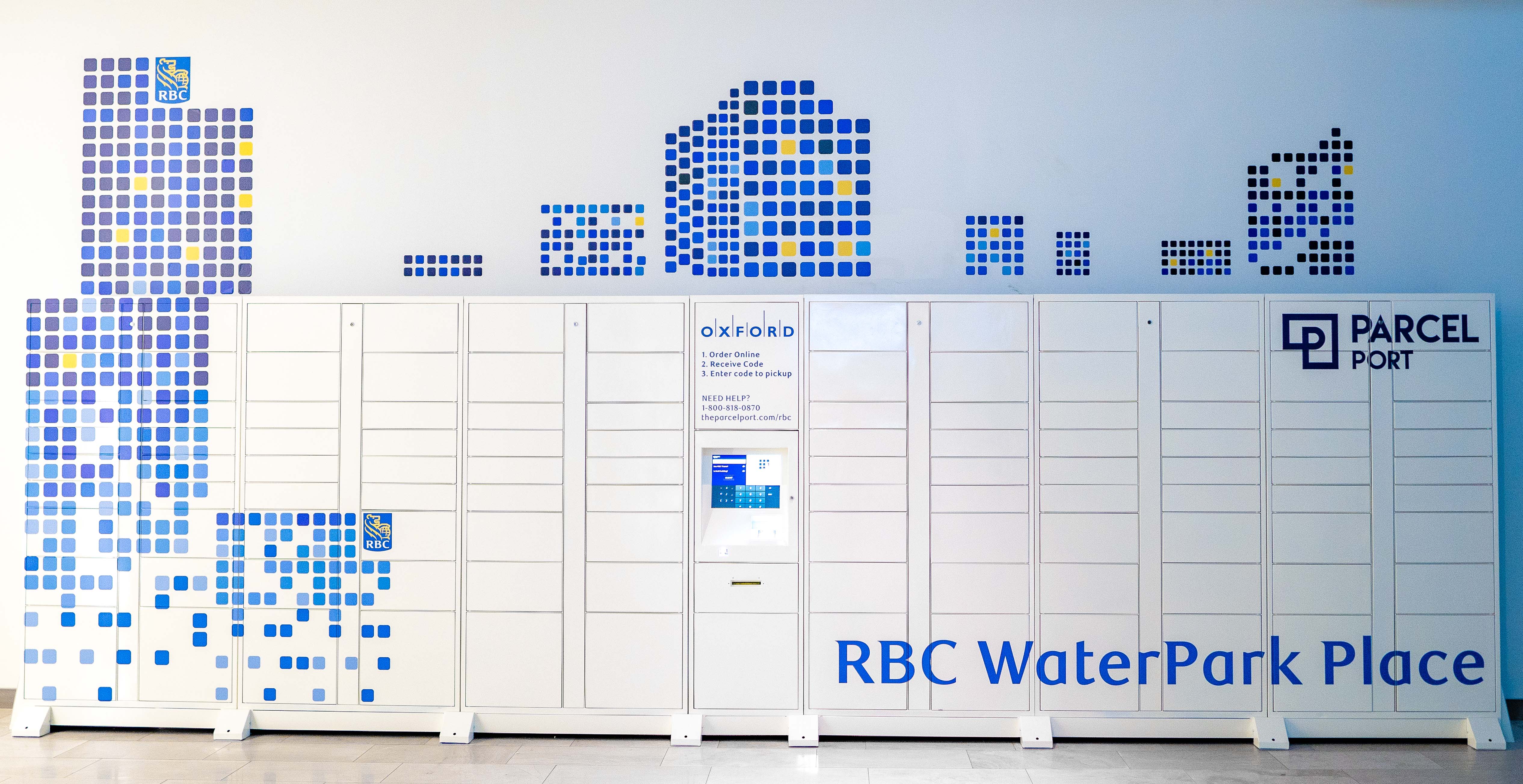 A publically-accessible Smart Locker in a bank building
Customers today are empowered and will continue to demand better from the companies they make purchases from. One concept which is beginning to take shape is the advent of a universal smart locker network. Connected to retailers and within walking distance of most residences, smart lockers are a customer-first approach to returns while providing a cost-effective solution for retailers.
There is a long way to go before making a return at the end of the road or in your building’s lobby will be a reality. At ParcelPort we are working hard to make this a reality.
To learn more about how your organization can maximize smart lockers to reduce cost, increase revenue, and delight your customers, contact the ParcelPort team online by visiting www.theParcelPort.com, email at sales@theParcelPort.com or calling 1-800-818-0870.
